Send the request basics
Share the address, affected area, safe photos, timing, and who can approve the work. Keep resident access details separate when the property is occupied.
Soft fascia, peeling paint, and deteriorated exterior wood can point to a connected moisture problem. AWC defines the visible damage, likely water path, opening limits, wood repair, and finish restoration so owners can approve a clearer scope.
Licensed general contractor · San Diego County
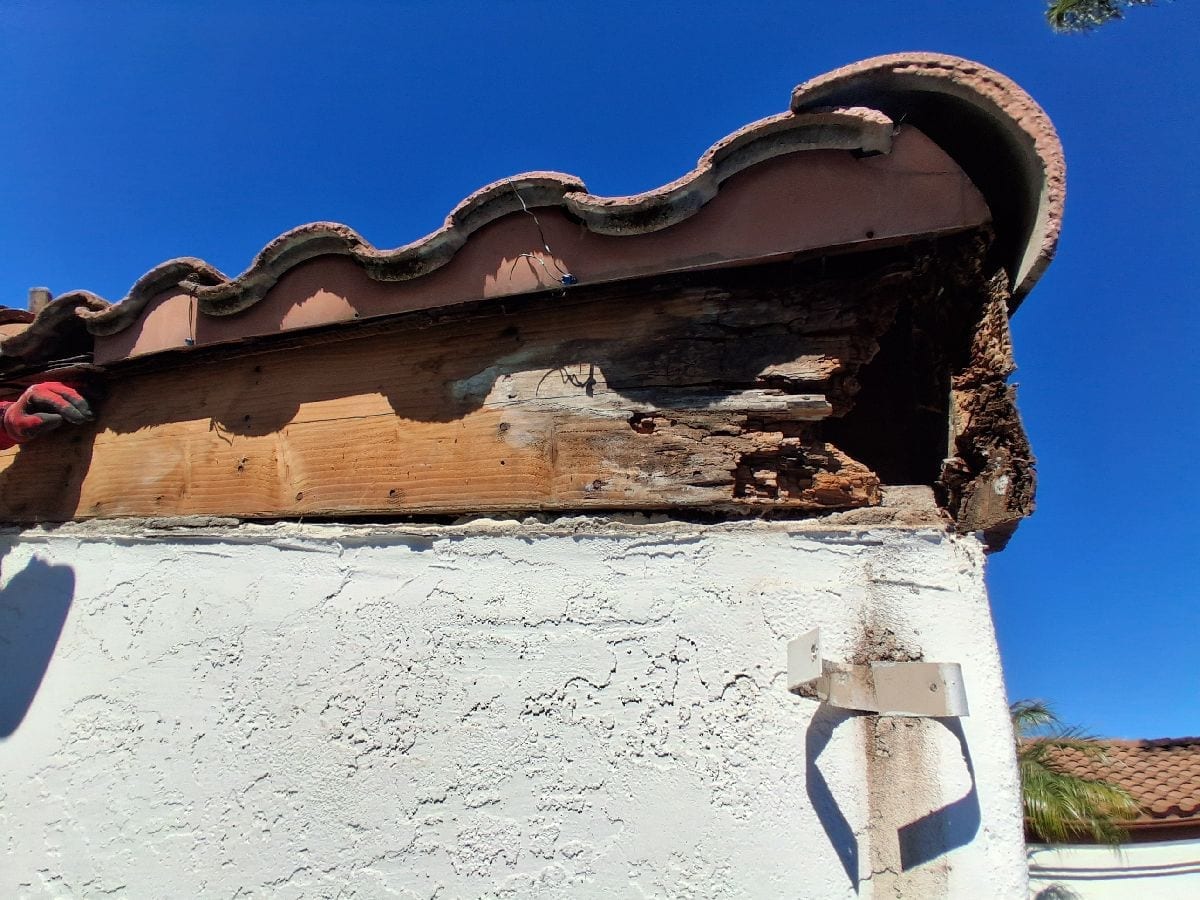
This AWC project condition shows why the surrounding gutter, roof edge, wood, and finish need to be reviewed together.
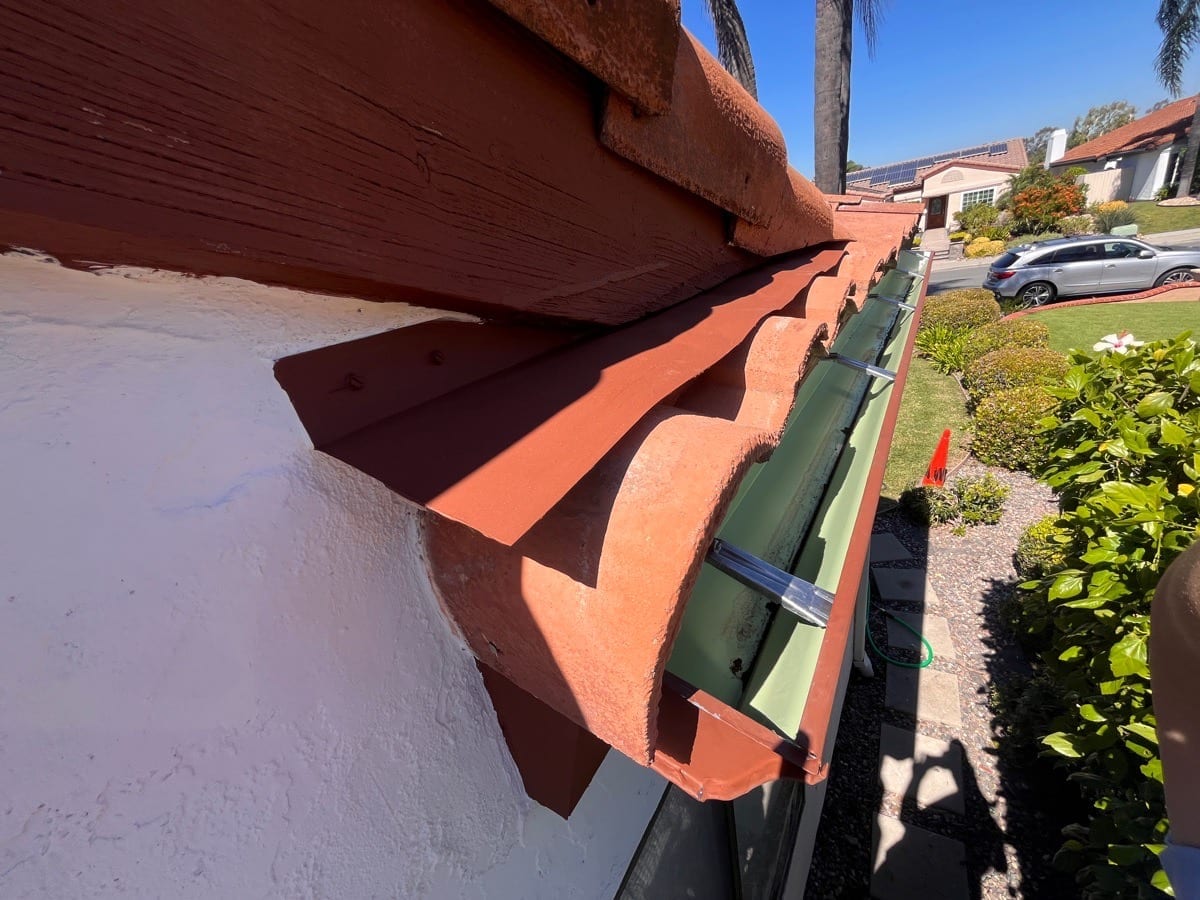
This AWC gutter project illustrates one adjacent water-management component. It is not presented as the repair for the fascia condition.
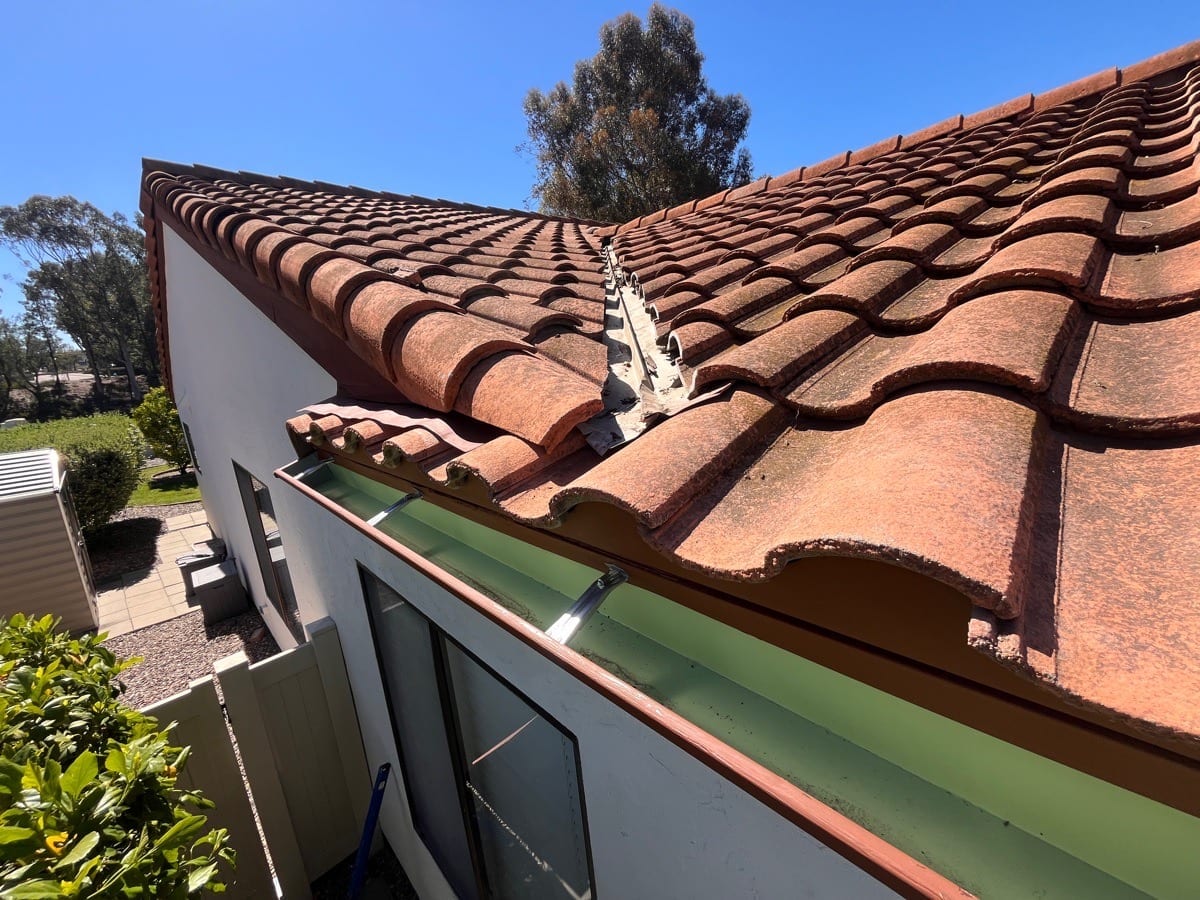
A second AWC project view shows completed gutter and roof-edge work. Dry-rot repair limits still depend on the exposed condition at each property.
Call AWC or use the project request form to share the property address, safe photos, and a short history. We will review whether the condition can move into a focused repair discussion or needs site verification before pricing.
Submitting a request does not confirm an appointment, price, dispatch or work authorization.
Open the AWC request form in a separate page ↗
Loading the repair request form…
Choose the closest service, or Other, and describe the repair. You can add one useful photo or report.
Service-contact and optional marketing choices are separate in the form. Review them before submitting.
Visible deterioration may involve fascia, rafter tails, trim, siding, deck components, framing, or finishes. The responsible sequence is to identify likely moisture paths, define safe access and opening work, document what is exposed, repair the approved wood elements, and restore the details that keep water out. AWC coordinates connected trades for San Diego County owners, property managers, apartment operators, and HOAs. When the cause or extent cannot be established from accessible conditions, the $250 Site Evaluation + Written Bid Package provides a written scope and is credited toward approved work when approved within 30 days.
Wood at a roof edge may be exposed by gutter overflow, water behind the gutter, flashing conditions, or failed coatings. The attachment surface, roof edge, and discharge path need review before choosing a repair.
Understand this repair ↗Paint failure can expose wood to repeated wetting, but coating the surface again does not resolve an open joint or upstream water path. Start by documenting where water moves and where finishes failed.
Understand this repair ↗Exterior walking surfaces and their supports deserve careful limits. Surface damage may not show concealed conditions, connection details, or load-path concerns, so access and qualified review must be planned property by property.
Understand this repair ↗Wood deterioration beside stucco or an opening may involve several transitions. Repair planning should address removal limits, weather protection, lath or stucco patch-back, sealant, flashing, trim, and finish matching.
Understand this repair ↗Repeat deterioration is a reason to review the original water path and the surrounding assembly. The next scope should distinguish failed material from the condition that allowed water to reach it.
Understand this repair ↗Review roof edges, gutters, openings and other nearby paths. A stained face does not establish where exposure began.
Exposed edges, fastener areas and supporting members need their own review. A painted surface does not establish sound wood underneath.
The proposal should separate decorative material from members that support or connect other construction.
Coordinate the water detail, attachment, preparation and finish so the same opening is not simply covered again.
A source-first plan that separates visible evidence, concealed unknowns, and the work required to restore protection.
One AWC project involved fascia rot and a leaking window below the roof edge. The project review identified several contributing conditions—a clogged gutter, incorrect flashing, poor prior work, and insufficient maintenance—and showed exposed roof-edge wood after finishes were removed. The practical lesson is to plan the water-control detail, wood repair, and finish restoration together instead of replacing the visible fascia alone.
Real AWC material · Clearly stated limitsLearn how to document soft wood, staining, peeling paint, and open joints without treating surface clues as a complete dry-rot diagnosis.
Read the guideUnderstand source review, opening limits, wood repair, gutter coordination, and finish restoration around damaged San Diego roof edges.
Read the guidePlan safe review and repair boundaries for deteriorated exterior wood at decks, balconies, landings, rails, and stairs.
Read the guideSee how wood, stucco, openings, roof edges, and flashing interact when moisture damage crosses several exterior finishes.
Read the guidePhotos can show staining, softness, open joints, failed coatings, or missing material, but they cannot confirm concealed extent, the complete moisture source, or every affected component. AWC uses photos to understand the location and decide whether a site evaluation or defined opening work is the responsible next step.
No pest inspection or treatment is represented by this site. If wood-destroying organisms are suspected, the owner may need a properly licensed pest professional. AWC can separately develop a construction repair scope after responsibilities, findings, and access are clear.
The method depends on the material, function, extent, connections, access, and exposed condition. Some scopes involve trim or fascia; others may involve connected framing or finishes. The written proposal identifies included work, and newly exposed conditions may require a written change order.
New paint, stucco, trim, or sealant can fail again when water continues reaching the assembly. The repair plan should identify the likely source, address included water-control details, repair affected material, and restore finishes in sequence. Some sources remain uncertain until authorized opening work occurs.
Send the visible condition, property location and useful photos. AWC reviews the request and explains the next appropriate step.
If the condition needs field verification, AWC may recommend the $250 Site Evaluation + Written Bid Package. The $250 is credited if the construction project is approved within 30 days.